Weather and fate
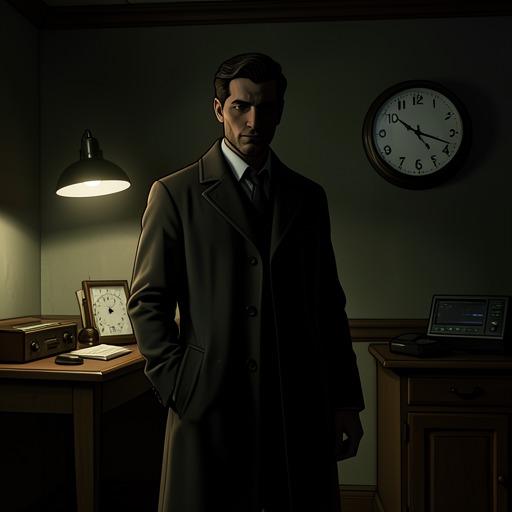
A Gentleman in MoscowWeather and fate is the Count’s philosophy of contingency: the belief that a slight change in temperature can alter a sequence of human choices, and that those choices may eventually reshape a life. In 1926, standing in his old suite 317, Count Alexander Ilyich Rostov reflects on this conviction while considering his own past. Weather is neither a decorative backdrop nor a complete explanation for what happened. It is the small disturbance that sets human intentions moving in a different direction, until an ordinary evening acquires consequences no one present could foresee.
A meteorological philosophy
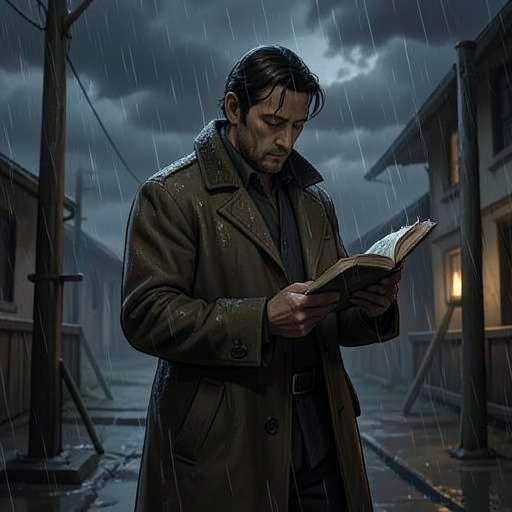
The Count begins from the premise that people eventually adopt some framework of causes and effects with which to interpret both great events and daily encounters. Religious faith, Darwinian science, Nietzsche’s eternal recurrence, and Hegel’s dialectic offer possible systems. His own outlook, however, is meteorological: he believes in the influence of early frosts and lingering summers, clouds and delicate rains, fog, sunshine, and snowfall. Most of all, he believes that a slight alteration in the thermometer can reshape destinies.
His view makes chance intelligible without making it disappear. Temperature does not itself decide what a person will do; it changes the circumstances in which a person acts. The result is a chain whose links remain human—a fall, a game, a gesture of generosity—but whose first movement may be a few degrees of difference. The philosophy gives the Count a way to connect private memory to larger outcomes, while leaving him with the uncomfortable recognition that small acts can have consequences far beyond their apparent scale.
The view from his window offers a compact demonstration. Less than three weeks before, Theatre Square had been empty and gray with the temperature around 45 degrees Fahrenheit. A rise of only five degrees brought blossoming trees, singing sparrows, and couples back to the benches. If a modest shift can change the character of a public square, the Count reasons, human history should be no less vulnerable to changes in its conditions.
He extends the argument to Napoleon’s invasion of Russia. A commander might assemble troops, study terrain, assess an enemy, and prepare an attack, yet still have to contend with the thermometer. Temperature governs the pace of an advance, the adequacy of supplies, and the courage of soldiers. In the Count’s counterfactual, ten degrees of warmth might not have won Napoleon his campaign, but could have allowed half his forces to reach home rather than lose another three hundred thousand men between Moscow and the Neman River. The example enlarges his domestic theory into a view of history: planning and power remain exposed to conditions they cannot command.
The birthday party as a chain of contingencies
The Count’s central illustration reaches back to the fall of 1913, when he set out for the twenty-first birthday of Princess Novobaczky. At five o’clock, the temperature stood at 34 degrees, clouds covered the sky, and drizzling rain seemed likely to leave the guests cold and miserable. By six, the temperature had fallen enough for the precipitation to become the season’s first snow. The change that might have worsened the evening instead gave it a magical appearance; absorbed by the falling snow, the Count was run off the road by a troika driven by a young Hussar.
His carriage took an hour to free from a ditch. In the meantime, a portly friend from his academy days arrived, slipped on ice, and landed on his rump. The Count helped him up and accompanied him inside. At dinner, the Count found himself seated beside the Princess, while the Hussar who had run him off the road sat on her other side and expected to command her attention with regimental stories. The weather had already disrupted the Count’s arrival and injured his friend, but the next turn came from the meal rather than the road.
Mrs. Trent’s English roast and Yorkshire pudding drew attention away from the Hussar’s planned conversation. After three months of cabbage and potatoes, he ate extra helpings and drank more wine, leaving the Count to entertain the Princess. Once the guests moved toward the ballroom, the friend’s sore tailbone kept him from dancing; he proposed cards instead. The Hussar overheard, abandoned his expected pursuit of the Princess, and joined the game. After two hours, he had lost one thousand rubles to the Count.
The Count tore up the Hussar’s marker in honor of the Princess’s birthday. The Hussar reacted by sweeping his wine glass to the floor, knocking back his chair, and stumbling out through the terrace doors. The story of the Count’s generosity quickly spread through the ballroom. The Princess sought him out to thank him, and when the orchestra began a waltz he took her across the floor. With more than forty couples dancing and the fireplaces burning unusually high, the ballroom reached 80 degrees. Concerned that the flushed Princess might feel faint, the Count offered her some air, bringing them to the terrace together.
From coincidence to consequence
In the Count’s reconstruction, none of these details is sufficient alone. Had Mrs. Trent’s roast not held the Hussar’s attention, he might have continued courting the Princess. Had the temperature not fallen six degrees in six hours, ice might not have formed on the drive; his friend might not have fallen, and the card game might never have taken place. Had the snow not prompted the footmen to build the fires so high, the Count might not have escorted the Princess onto the terrace. At the same time, each change matters only because people respond to it: the Hussar eats and drinks, the friend chooses cards, the Count tears up the marker, and the Princess accepts his attention.
When the Count later tells the story to Charles, he returns to the fall of 1913 and recounts the icy driveway, Mrs. Trent’s roast, and the torn IOU as the turns that brought him onto the terrace with the Princess. Charles laughs and regards the story as splendid, but questions whether it explains why the Count left Russia. The Count’s answer reveals the darker reach of the chain. The Princess’s birthday party was not simply a romantic diversion; in his account, the act of tearing up the marker helped set in motion the events that separated him from Helena Rostov.
The Count explains that he had known word of his conspicuous generosity would reach the Princess and had taken satisfaction in turning the tables on the Hussar. If he had not so smugly put the young man in his place, the Hussar would not have pursued Helena, humiliated her, and become the target of the Count’s shot. The Count further imagines that the Hussar might not have died in Masuria. In that alternative sequence, the Count believes, he would have been where he belonged ten years later: beside Helena when she died of scarlet fever. He rejects the sentimental explanation of a broken heart; his grief instead rests on the conviction that a past decision helped determine where he was when his sister breathed her last.
The meaning and limits of the idea
Weather and fate gives the Count’s memory a structure: an evening’s minor disruptions can be traced forward into irreversible personal loss. The contrast between the party’s comedy—the fall on the ice, the overfed Hussar, the torn marker—and the death that follows is central to the idea. The consequences are not visible when the choices are made. Only in retrospect does the Count arrange them into a chain, and the act of telling turns a sequence of accidents into an account of responsibility.
That account is also a counterfactual, not proof that the past could have been controlled. The Count can identify several points at which events might have unfolded differently, but he cannot know what would actually have happened in those alternate versions. His philosophy therefore holds together two claims: human lives are susceptible to minute changes in circumstance, and the people within those circumstances remain answerable for their actions. By connecting weather, etiquette, appetite, pride, and bereavement, the Count makes the ordinary world feel consequential without pretending that its consequences were predictable.